
Project Quick Facts
The Problem Every Small Bar Faces #
Small bars all deal with the same challenge: getting people through the door. Before anyone can decide to stop in, they have to notice the place exists. That means the outside of your bar needs to do some work — even before a single customer walks in.
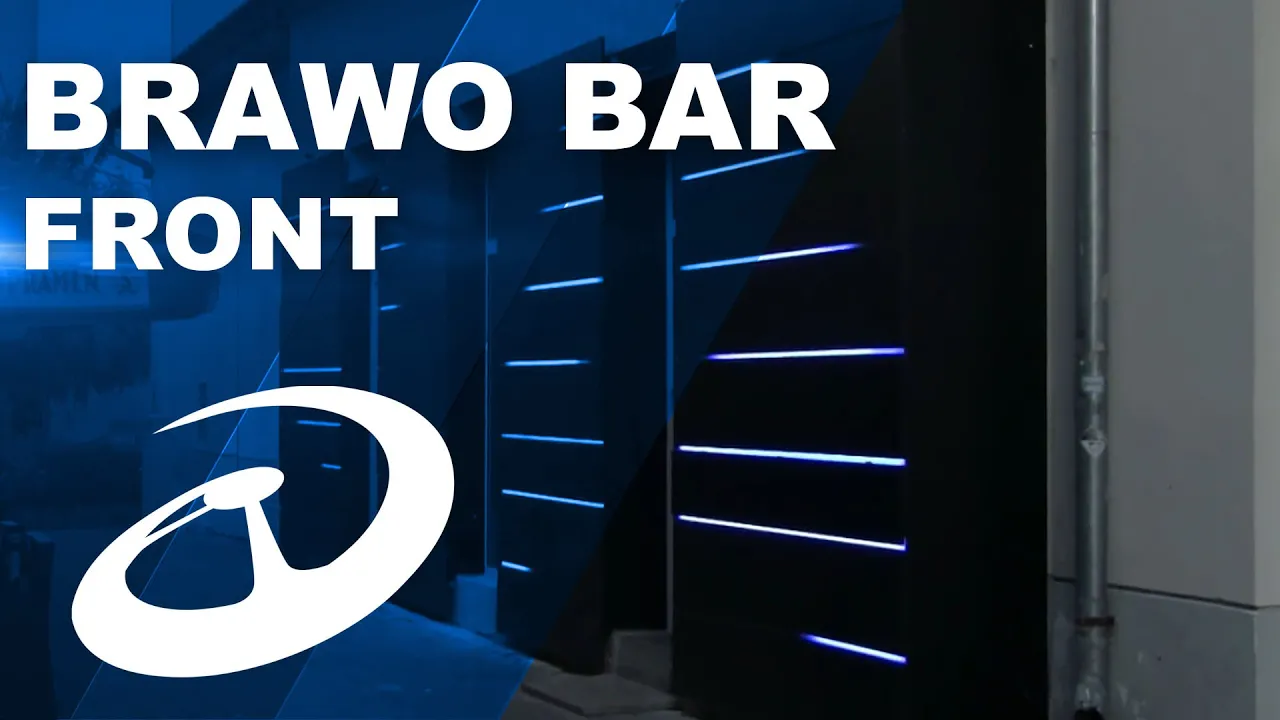
The owner of Brawo Bar in Levice understood this. He wanted his facade to stand out from the neighboring shops and businesses on the same street. His solution was clever: he installed dark wooden boards across the front of the bar. They looked great, helped define the space, and doubled as standing tables for customers who wanted to drink outside. But the real trick was what went between the boards — RGB pixel LED strips that animated and changed color every evening.
Why Animations Beat Static Signs #
There’s a real psychological phenomenon called banner blindness. If you’ve ever scrolled a webpage without noticing the ads around the content, you’ve experienced it. The same thing happens on the street. People walk the same route every day and stop seeing the signs they pass. A static sign, no matter how nice it looks, eventually becomes invisible.
Animations change that. Moving light is processed differently by the human eye — it’s harder to ignore. This is exactly why LED facade lighting with animated addressable LED strips works so much better than a fixed illuminated sign. The pixels shift, the colors flow, the patterns change — and eyes follow.
There’s another dimension to this too. If your bar always glows green, people adapt to it within a few weeks. Changing the color scheme seasonally — or even weekly — keeps the facade feeling fresh and prevents it from becoming background noise. With a pixel LED installation, you can reprogram the entire look from software in minutes. No new hardware, no electrician, no new sign.
What Was Installed at Brawo Bar #
The digital LED strips were mounted in the gaps between the dark facade boards, running vertically along the exterior. The SPI LED controller drives the strips from a central point, with all animations pre-programmed and stored locally — no laptop needs to be running during service hours.
LED Strip Studio software was used to design the color scenes and animation sequences. The owner can switch between presets depending on the occasion: a calm slow-color-fade for quiet weeknights, something more energetic for weekend nights, and a completely different palette for special events or holidays. The animations are programmed to match the bar’s branding colors, so the look stays coherent even as it moves.
Addressable RGB pixel strips are the right tool for this kind of bar LED installation because they combine two things static lighting can never offer: full-color animation and complete programmability. They can also be shaped around almost any surface — straight runs, curves, corners, irregular gaps between boards. A conventional neon or fluorescent outline couldn’t follow the same geometry.
Results #
The facade became a landmark on the street. Passersby notice it, stop to look, and — more importantly — remember it. That kind of visual identity is what small bars need to compete with bigger, better-funded venues nearby.
The installation has also proven durable. IP-rated outdoor LED strips handle the weather without issue, and the simple standalone controller setup means there’s nothing to maintain beyond occasional software tweaks.
For a small venue with a limited budget, an animated LED pixel facade is one of the highest-ROI upgrades available. The hardware cost is modest, the installation is clean, and the result works seven nights a week without any ongoing effort.
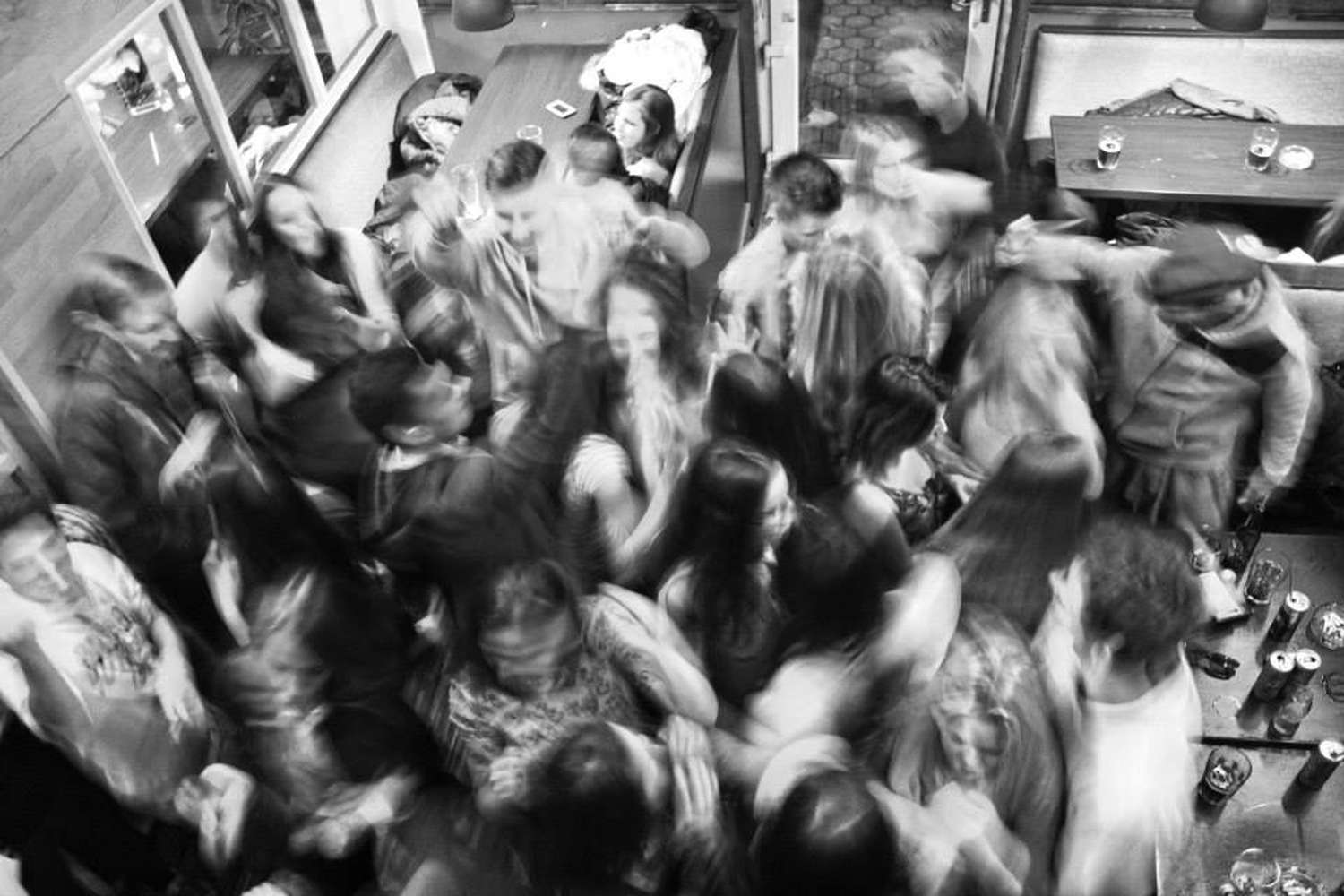
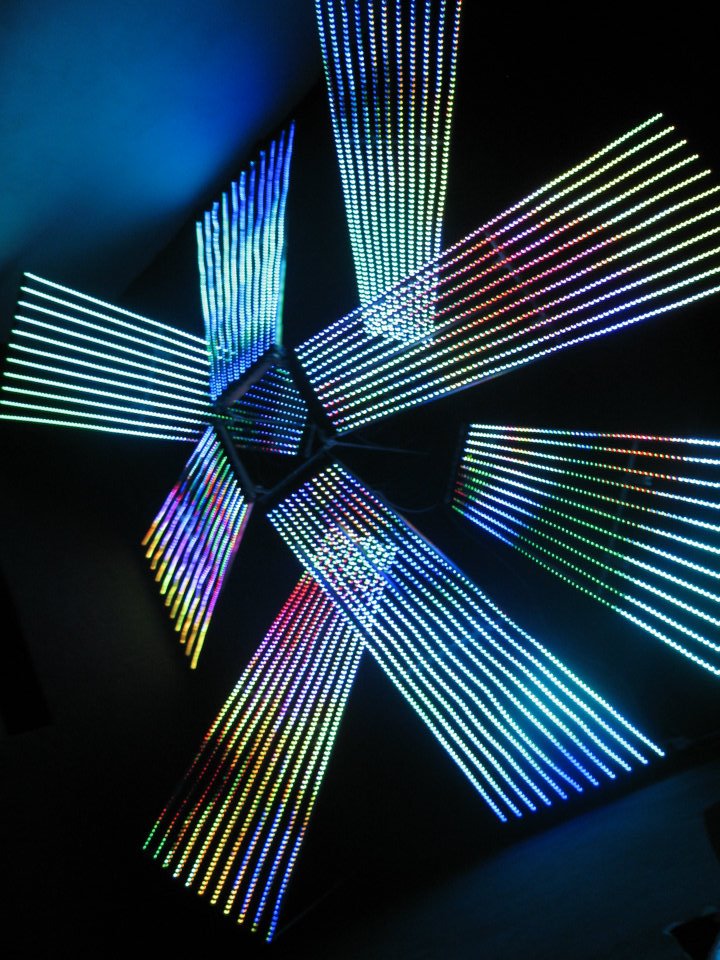
The bar’s façade was so successful that the client decided to extend the concept indoors, installing LED pixel bars across the ceiling. The layout was truly unique and highly memorable, covering the entire dance floor area. This immersive design eliminated the need for conventional club or bar lighting, creating a striking and cohesive visual experience.
Frequently Asked Questions #
Why do animated LED strips attract more attention than a static sign?
The human eye is wired to notice movement. A static sign, no matter how well designed, becomes invisible to people who walk past it every day — this is called banner blindness. Animated pixel LED strips constantly change, which keeps them visible even to people who pass the same spot regularly.
Can I change the colors and animations without rewiring anything?
Yes. With a programmable SPI LED controller and LED Strip Studio software, you just update the presets on the controller. Colors, animation speed, patterns, and schedules can all be changed from software — no physical changes to the installation required.
Are addressable LED strips suitable for outdoor use on a facade?
Yes, as long as you use strips with an appropriate IP rating. IP67 LED strips are fully sealed and handle rain, humidity, and temperature changes without issue. This makes them a solid choice for permanent LED facade lighting on bars, restaurants, and retail fronts.
How do LED pixel strips compare to a traditional illuminated sign?
A traditional sign is static — it shows one image at one brightness, forever. Addressable LED strips can display any color, run animated sequences, change with the seasons, and be reprogrammed to match events or promotions. They’re also more energy-efficient and don’t require replacing tubes or fluorescent bulbs.
Do I need a computer running at the bar to control the LED strips?
No. A standalone SD card LED controller stores animations locally and plays them back without any connected computer. You program the scenes once using LED Strip Studio software, export them to the controller, and it runs independently from that point on.
Can LED pixel strips be installed in irregular shapes or gaps between boards?
That’s one of their biggest advantages. Digital LED strips are flexible and can follow straight lines, curves, corners, and irregular gaps between surfaces. This makes them far more adaptable than rigid LED modules or neon signs for creative facade designs.