

Project Quick Facts
Why TV Studios Need Dynamic Backgrounds #
Every TV studio needs something behind the presenter. A printed panel works — but it looks flat and doesn’t change. A dynamic LED background is a completely different thing. It grabs the viewer’s attention, can shift mood and color during a show, and makes the whole production feel polished and alive.
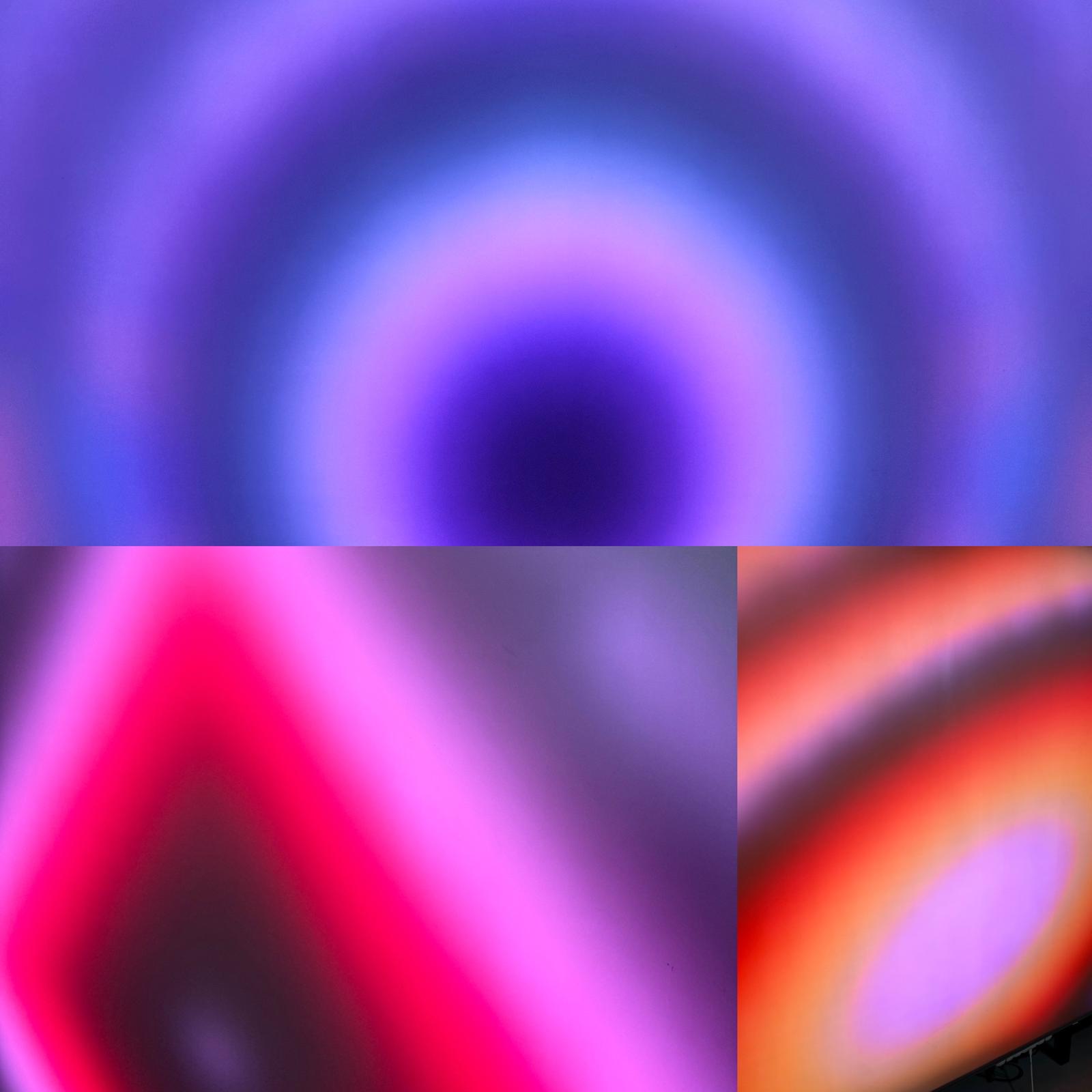
For many years, the answer was the LED horizon — a curved or straight run of addressable LED pixels that fills the background with rich, controllable light. And for most of that time, we built them using APA102 SuperLED strips.
Why APA102? #
APA102 is a two-wire SPI addressable LED strip with one feature that sets it apart from most other IC types: it has 5 extra bits of global brightness control. That gives you 32 dimming levels on top of the standard 8-bit color per channel. In practice, this means smoother gradients, better-looking blacks, and more precise control over what the camera actually sees.
We have installed over 500,000 APA102 pixels across TV studios around the world. Every time, they delivered reliable, consistent results — exactly what a live broadcast environment demands.
The First Install — 80 m² and a Hard Lesson #
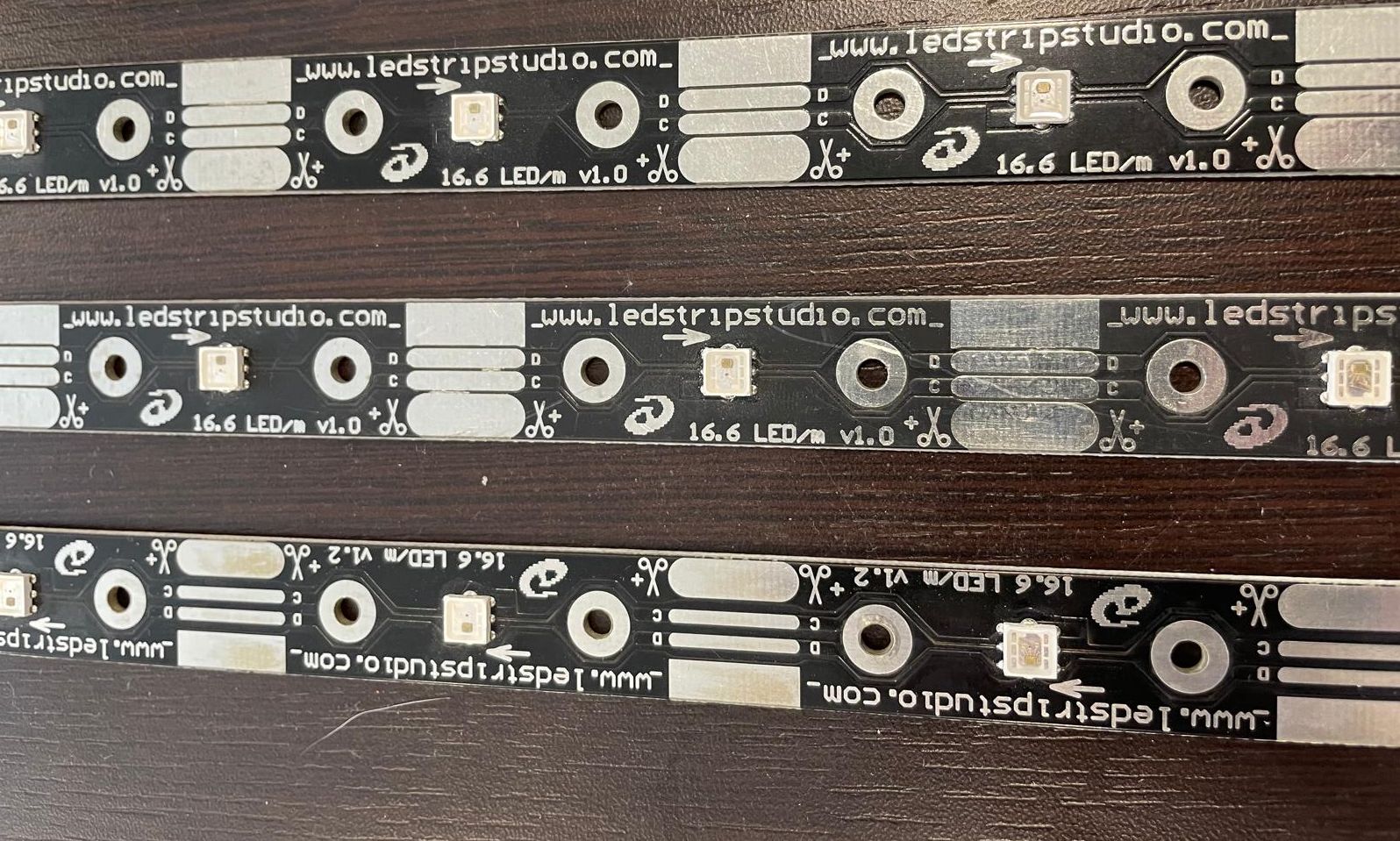
Our very first LED horizon covered 80 square meters. The LED strips were mounted on aluminum structures supplied by the set decoration manufacturer. Things worked well — until tiny aluminum particles started breaking loose from the frame and landing on the exposed PCB pads of the strips. The particles caused short circuits, which created strange visual artifacts on the projection screen.
Our team found a fix: we extended the pads on each LED joint to reduce the chance of accidental contact. It worked. But it was a real lesson in how new technology never goes perfectly the first time. You run into problems, you solve them, and the next job goes smoother.
Pixel Pitch and the Projection Screen #
Early installations used a 6×6 cm pixel pitch. We later moved to 4×4 cm for a finer result. That might sound like low resolution — but there’s a trick. A translucent projection screen is placed 10 to 15 cm in front of the LEDs. The screen diffuses the light from each pixel, blending them into smooth color gradients. On camera, it looks completely clean — no visible dots, just beautiful color.
Curved Shapes — Not Just Flat Rectangles #
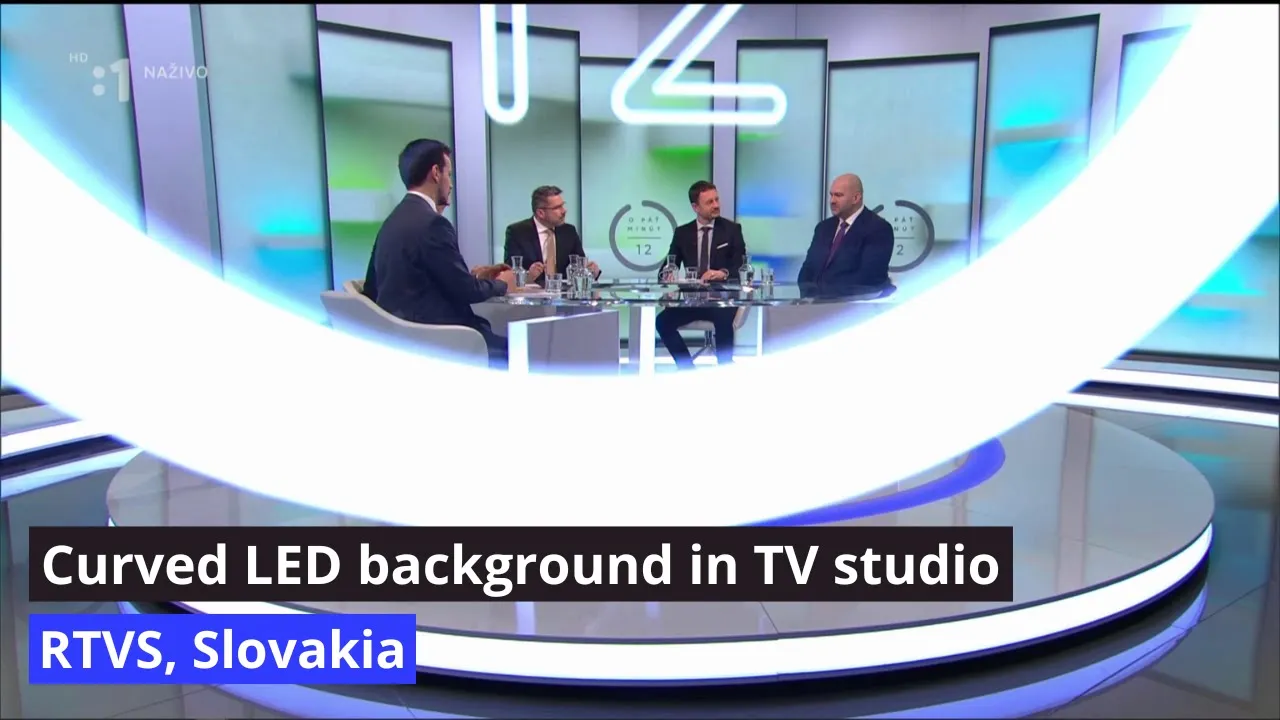
One of the biggest advantages of APA102 pixel strips over rigid LED panels is flexibility. Strips can be bent into arcs and curves, so backgrounds don’t have to be plain rectangles. We installed curved LED horizons that wrapped around studio sets — a look that would be expensive and complicated with conventional LED screens.
All control was handled through LED Strip Studio software, which managed pixel mapping, color effects, and live scene playback.
Moving to P10 LED Panels #
As LED panel prices dropped over time, we shifted to P10 panels — 32×16 cm modules that still allow curved installations but offer finer resolution than bare strips. Control shifted to standard HDMI output, with Resolume Arena as the primary video source for animated content.
P10 LED horizons are now standard in major broadcast studios worldwide — news desks, sports shows, morning programs. They give production teams graphic flexibility that a static backdrop simply cannot match.
If you want to upgrade your TV studio background, get in touch — we’ve been building these systems for over a decade.